
Saltwater vs Chlorine Pools: Which Is Right for You?
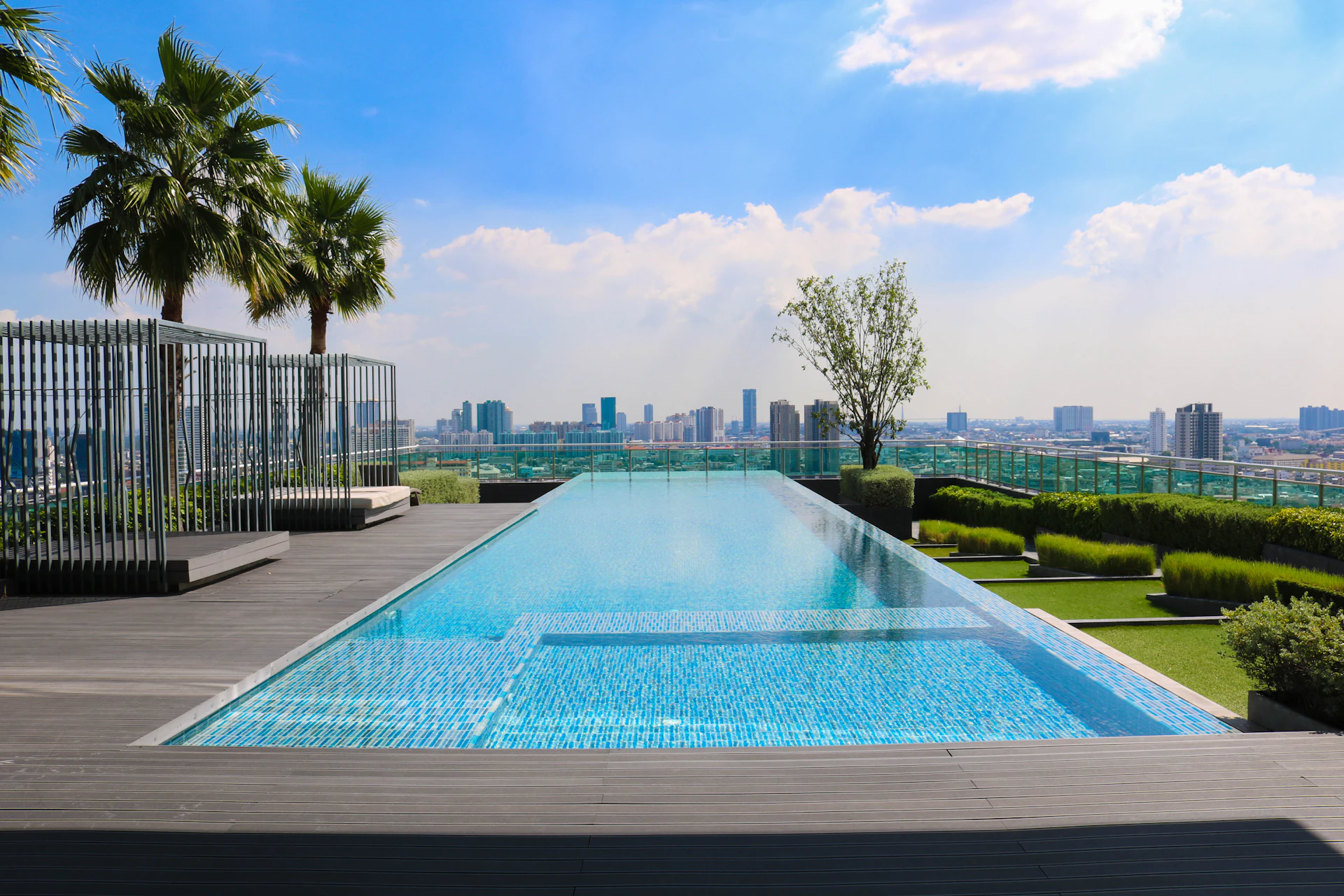
One of the most common questions Cape Coral homeowners ask is whether to choose a saltwater or traditional chlorine pool. Both systems effectively sanitize your pool, but they differ significantly in cost, maintenance, and the swimming experience. Here's everything you need to know to make the right choice.
How Each System Works
Traditional Chlorine Pools
Chlorine pools use liquid, tablet, or granular chlorine added directly to the water. The chlorine kills bacteria, algae, and other contaminants. You manually add chlorine as needed, typically 1–3 times per week depending on usage and weather conditions.
Saltwater Pools
Despite the name, saltwater pools aren't like swimming in the ocean. They use a salt chlorine generator that converts dissolved salt (sodium chloride) into chlorine through electrolysis. The salt level is about 3,000 ppm — roughly one-tenth the salinity of ocean water. The system produces a steady, low level of chlorine automatically.
Cost Comparison
Upfront Costs
- Chlorine system: $0–$500 (basic chlorinator or feeder)
- Saltwater system: $1,500–$2,500 (salt cell and control panel)
Annual Operating Costs
- Chlorine system: $300–$800 per year (chemicals)
- Saltwater system: $100–$300 per year (salt, occasional cell replacement)
Over 5–7 years, saltwater systems often break even or become cheaper due to lower chemical costs. However, salt cells typically need replacement every 3–5 years at a cost of $500–$800.
Maintenance Comparison
Chlorine Pool Maintenance
- Requires regular chemical additions (tablets, liquid, or granular)
- Need to test and adjust chlorine levels frequently
- Must store chlorine chemicals safely
- More prone to chlorine level fluctuations
- Can experience "chlorine lock" if stabilizer levels get too high
Saltwater Pool Maintenance
- Less daily maintenance — the generator produces chlorine automatically
- Still need to test water chemistry regularly
- Must monitor salt levels and add salt as needed
- Salt cell needs periodic cleaning to remove calcium buildup
- More equipment to maintain (salt cell, control board)
Swimming Experience
Saltwater pools are known for their softer feel on skin and eyes. The lower chlorine levels and natural salinity make for a more pleasant swimming experience. Many swimmers report less eye irritation, no chlorine smell, and softer-feeling water.
Chlorine pools can sometimes cause eye and skin irritation, especially if chlorine levels are too high. The characteristic "pool smell" is actually caused by chloramines (combined chlorine), which indicate the chlorine is working but also means the water needs shocking.
Which Is Better for Cape Coral?
Both systems work well in Cape Coral's climate, but saltwater systems have some advantages in our area:
- UV stability: Saltwater systems produce chlorine more consistently, which helps maintain levels despite Florida's intense sun
- Less chemical handling: No need to store and handle chlorine chemicals in the heat
- Gentler on equipment: Lower chlorine levels can be easier on pool covers and liners
However, saltwater systems can be more corrosive to certain materials. If you have natural stone decking or certain types of metal fixtures, consult with a professional before choosing saltwater.
Learn more about pool installation options and maintenance tips for Cape Coral homeowners.
Not Sure Which System to Choose?
Our experts can help you decide based on your budget, lifestyle, and pool type.
Get Expert Advice